

NEXT RACE
Loading…
starts in
—
Your Time
Track Time
local time
“When you’re racing, it’s life. Anything that happens before or after is just waiting.” – Ayrton Senna
McLaren’s comeback is one of the better stories in recent Formula 1 history – not because it was dramatic, but because it was earned.
After years of genuine mediocrity from a team that once defined the sport’s elite, the Woking outfit has rebuilt itself from the inside out into a genuine championship contender. The 2024 Constructors’ Championship – their first since 1998 – wasn’t a fluke or a regulation lottery win. It was the result of a cultural overhaul, significant infrastructure investment, and two drivers who arrived at their respective peaks at exactly the right moment.
In 2026, McLaren don’t arrive as underdogs. They arrive as the team everyone else needs to beat.
Bruce McLaren founded the team in 1963 – a New Zealand racing driver who built his own car because he believed he could do it better.
He was right, though he didn’t live to see quite how right; Bruce died in a testing accident at Goodwood in 1970, leaving behind an organisation that would grow into one of the sport’s most decorated constructors.
The 1970s and 1980s were productive, but the golden era arrived when Ron Dennis took control and forged a partnership with Ayrton Senna and Alain Prost in the late 1980s. The 1988 season – 15 wins from 16 races with the Honda-powered MP4/4 – remains the most dominant single-season performance in Formula 1 history by win percentage. The Senna-Prost dynamic was the sport’s greatest rivalry, conducted within the same garage, and it produced both brilliance and toxicity in equal measure.
Mika Hakkinen delivered back-to-back championships in 1998 and 1999, with McLaren running Mercedes power and a silver livery that became iconic. Lewis Hamilton’s extraordinary 2008 title – claimed on the final corner of the final lap in Brazil – was the last time McLaren stood on top of the sport. What followed was a long, frustrating decline characterised by poor decisions, difficult driver relationships, and a Honda engine partnership from 2015 to 2017 that became something of a cautionary tale.
The rebuilding process began seriously around 2019 under Andreas Seidl and a restructured technical leadership. It was slow, deliberate, and unglamorous. Exactly the kind of work that doesn’t generate headlines but eventually produces results.
McLaren matter because they are proof that recovery from the bottom is possible in Formula 1 – which is not as obvious as it sounds.
Several teams have declined from the front and never returned. McLaren’s resurgence gives the sport a narrative of renewal, and their commercial operation – the brand, the heritage, the fanbase they’ve maintained through difficult years – makes them one of the grid’s most valuable presences regardless of where they finish.
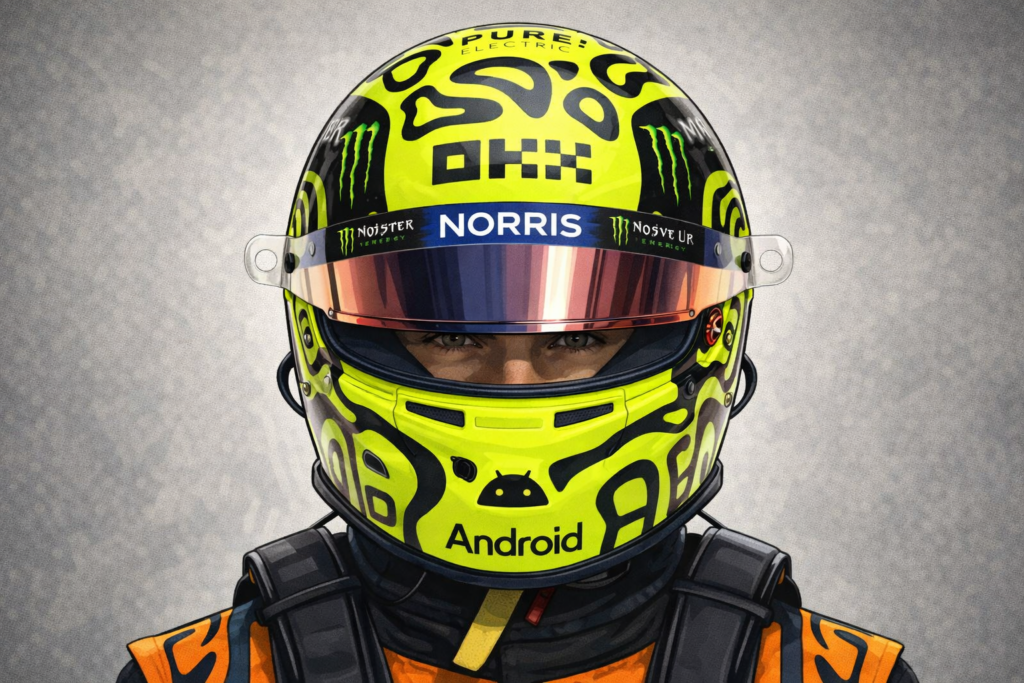
They also matter because Lando Norris has become one of the sport’s most compelling figures, and McLaren built the environment that allowed him to develop from promising talent into genuine championship contender. That’s not an accident. It’s a culture.
McLaren race aggressively. Under Andrea Stella’s leadership, the strategic approach has become noticeably bolder – willing to take risks on tyre strategy, willing to play the undercut early, willing to back their drivers in wheel-to-wheel situations rather than defaulting to caution. The papaya livery cutting through a field in the closing laps of a race has become one of the defining images of the current era.
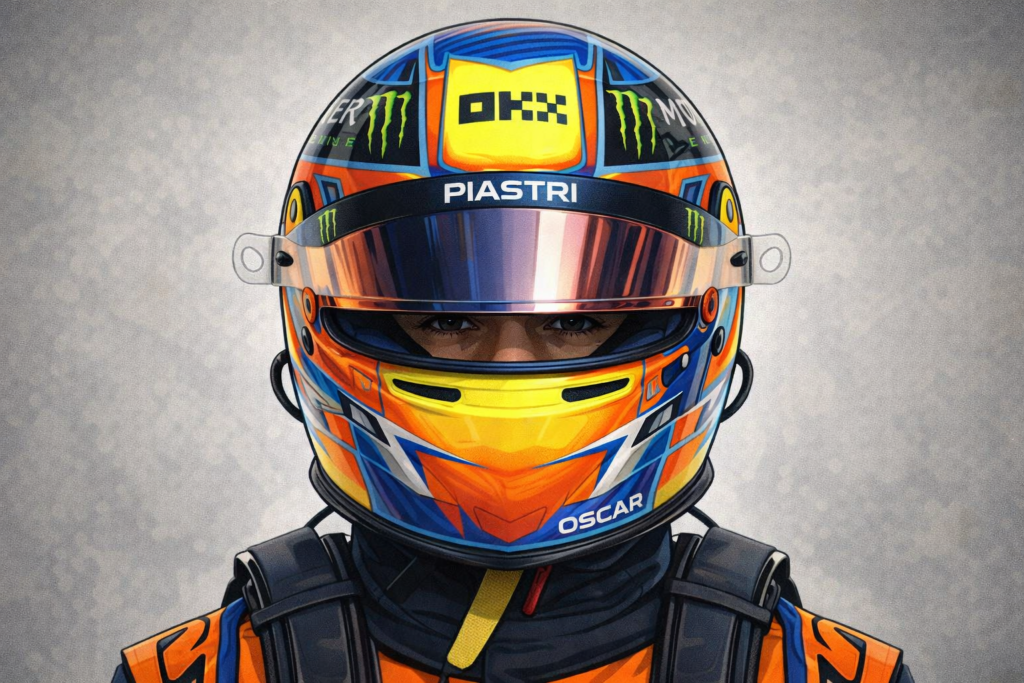
Norris, in particular, is extraordinary to watch when the car suits the circuit. His ability to manage front-limited cars, his late-braking confidence, and his racecraft in the closing stages of a grand prix have all developed into weapons that rival teams now specifically prepare for. Piastri is quieter, more surgical – the contrast in styles makes the pairing fascinating to observe across a full season.
Andrea Stella became Team Principal in late 2022, replacing Andreas Seidl, and the transformation in McLaren’s on-track performance since then has been stark. Stella is a racing engineer by background – he worked closely with both Michael Schumacher and Fernando Alonso at Ferrari – which means his instincts are rooted in the technical and strategic realities of a race weekend rather than purely in management abstraction. That background shows in how McLaren now operate at the pitwall.
Zak Brown, as CEO, has provided commercial and cultural stability, maintaining McLaren’s identity through the lean years while building the relationships and investment required to fund a proper recovery.
Lando Norris and Oscar Piastri is the grid’s most balanced top-team pairing. Neither is there to support the other. Both are capable of winning on any given weekend. Norris carries the longer McLaren relationship, the crowd connection, and the accumulated frustration of someone who spent years in a car that didn’t deserve him. Piastri arrived in 2023 as a rookie and immediately looked like someone who had been in Formula 1 for years – calm, precise, devastating on his day.
The tension between them is productive rather than destructive, which is genuinely rare when two drivers of similar speed share a garage. How long that equilibrium holds as the championship intensifies is one of the season’s more interesting subplots.
McLaren enter 2026 as defending Constructors’ Champions and with every reason to believe the momentum is sustainable. The new regulations present a risk – teams that are strong under one formula don’t automatically translate that strength to the next – but McLaren’s technical investment cycle and the stability of their current leadership group give them a platform that didn’t exist three years ago.
The real question is whether this is the beginning of a sustained era or a peak that coincides with a single regulatory window. The 2026 season will go a long way to answering it. McLaren, for the first time in a generation, arrive believing the answer is the former.
At the British Grand Prix on 2026-07-05, Lando Norris finished P4 and Oscar Piastri finished P11. The team scored 12 constructor points.
McLaren F1 Team’s 2026 driver lineup consists of Lando Norris and Oscar Piastri. Both drivers have represented the team in recent seasons and continue to compete together in 2026.
McLaren’s most recent race wins came during the 2025 season. Their last recorded victories include the 2025 São Paulo Grand Prix and the 2025 Mexico City Grand Prix, both won by Lando Norris, as well as the 2025 Belgian Grand Prix and the 2025 Dutch Grand Prix, won by Oscar Piastri.
Andrea Stella is the team principal of McLaren F1 Team.
McLaren F1 Team is based in Woking, United Kingdom.
McLaren F1 Team competes with the MCL40 chassis in the 2026 Formula 1 season.
McLaren F1 Team uses a Mercedes power unit.
McLaren F1 Team made their first Formula 1 entry in 1966, making them one of the longest-standing constructors in the sport.
At the 2026 British Grand Prix on 5 July 2026, Lando Norris finished in fourth place and Oscar Piastri finished in eleventh place.